Employee Learning Experiences - How to build a Team
Create An Employee Experience that will be remembered and talked about for Years!!!
**********************************
Create An Employee Experience that will be remembered and talked about for Years!!! **********************************
The McNevin Philosophy
Better Workplaces Are Built Through Better Experiences
After more than 35 years working with organizations and the people inside them, I’ve come to believe something pretty simple:
People rarely remember everything you told them. But they remember what it felt like to work there.
They remember the manager who took the time to listen.
The leader who explained why instead of simply telling them what to do.
The first day when someone actually seemed prepared for their arrival.
The meeting where their opinion mattered.
The training program that respected their experience instead of talking at them.
The difficult conversation that was handled honestly and respectfully.
And sometimes, they remember the little things—the unexpected moment, the laugh, the handwritten note, the celebration, or the simple gesture that told them:
You matter here.
That’s the foundation of the McNevin Philosophy.
Employee Experience Isn't an HR Program
It’s the accumulation of hundreds of small experiences people have with an organization.
How they're welcomed.
How they're trained.
How they're managed.
How information is communicated.
How mistakes are handled.
How accomplishments are recognized.
How meetings are conducted.
How leaders behave when things get difficult.
And whether the experience employees were promised resembles the one they actually have.
Culture is created in those moments.
Every interaction either reinforces the culture you want—or quietly creates a different one.
Creating Experiences People Remember
That's why our work goes beyond traditional training and consulting.
We help organizations intentionally design the experiences that shape how people feel about coming to work.
That might mean rethinking an employee's first day.
Creating a leadership experience people are still talking about six months later.
Turning required training into something people actually want to attend.
Helping a management team have a conversation they've been avoiding.
Creating meaningful recognition.
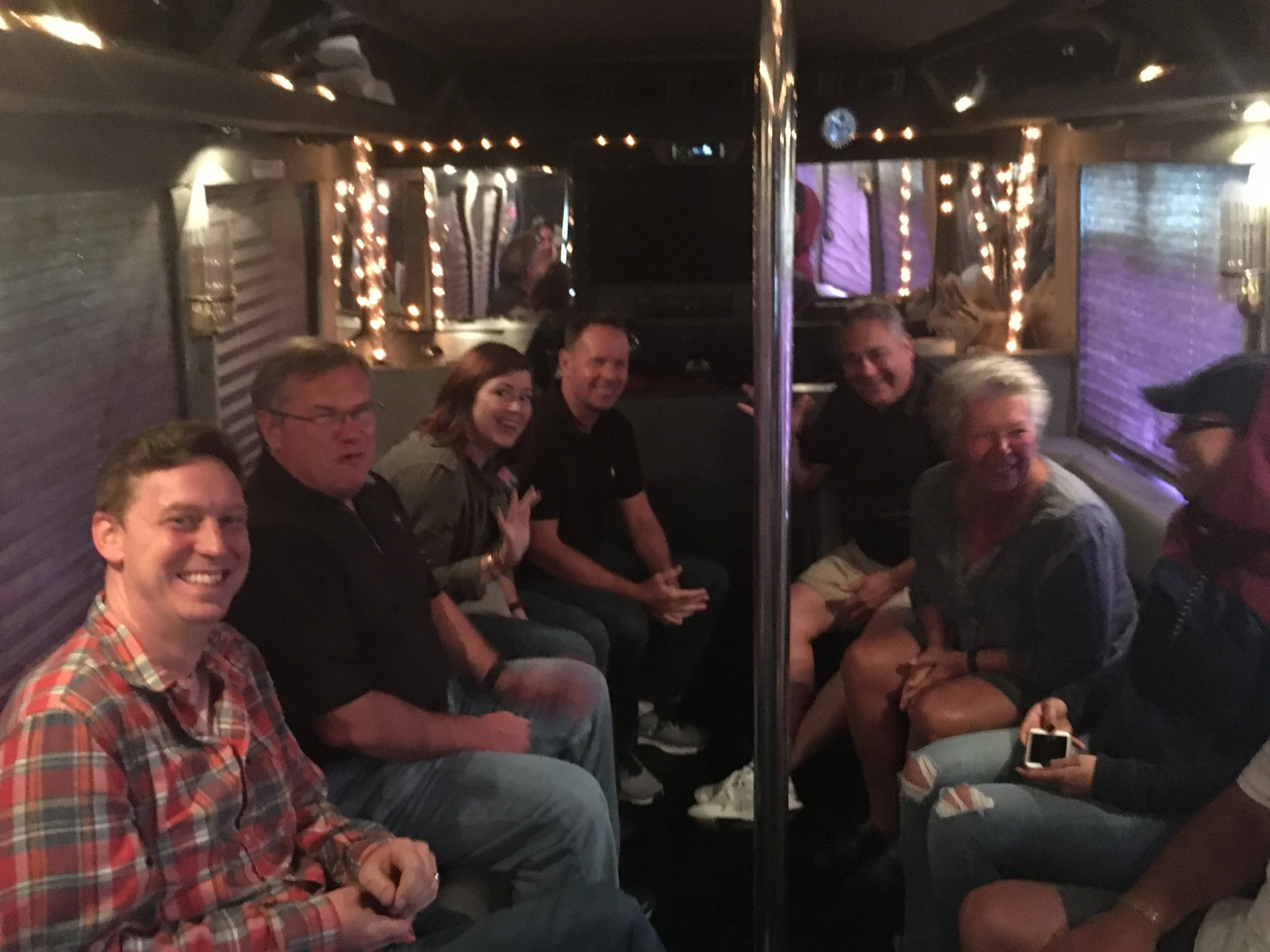
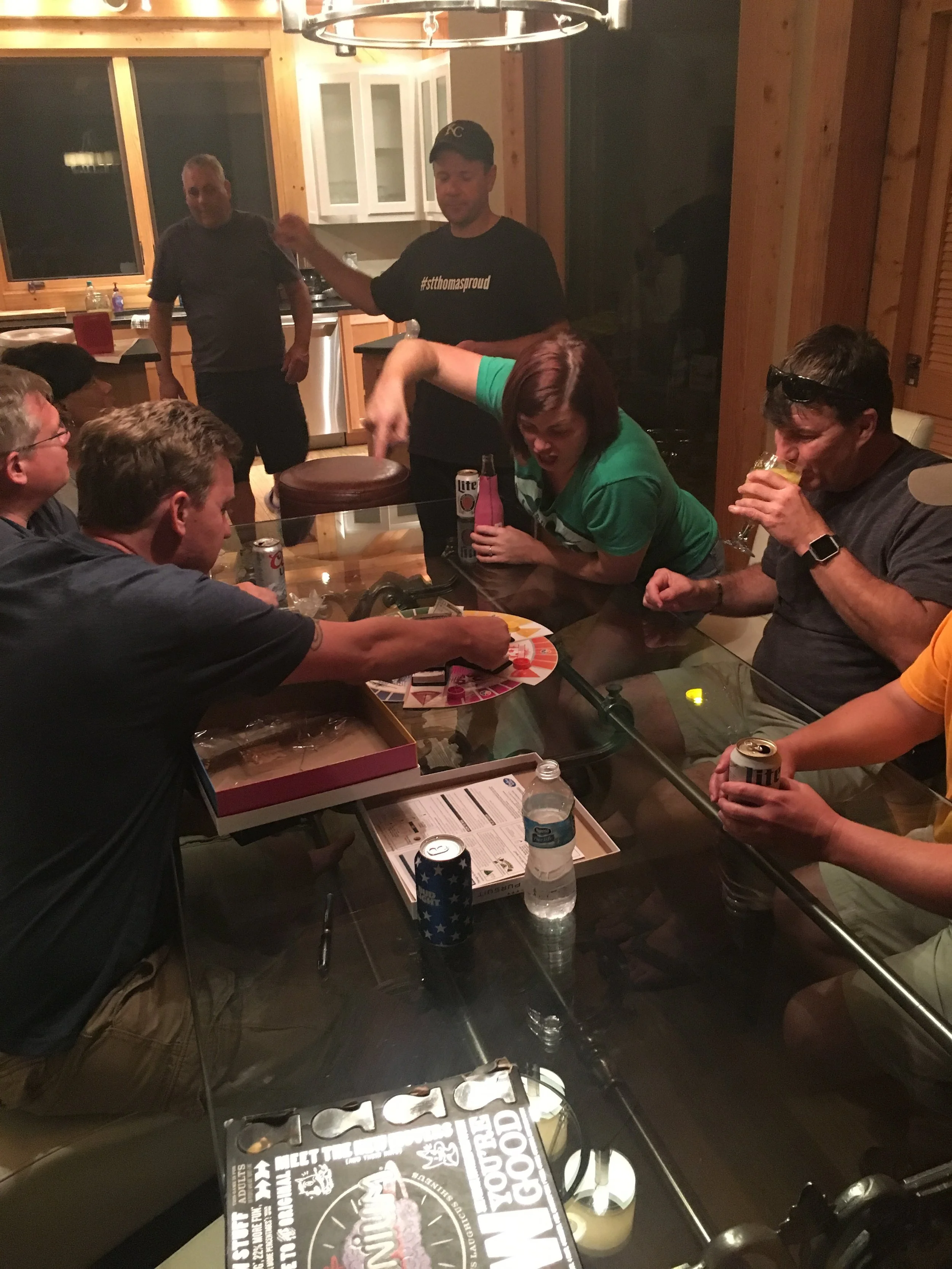
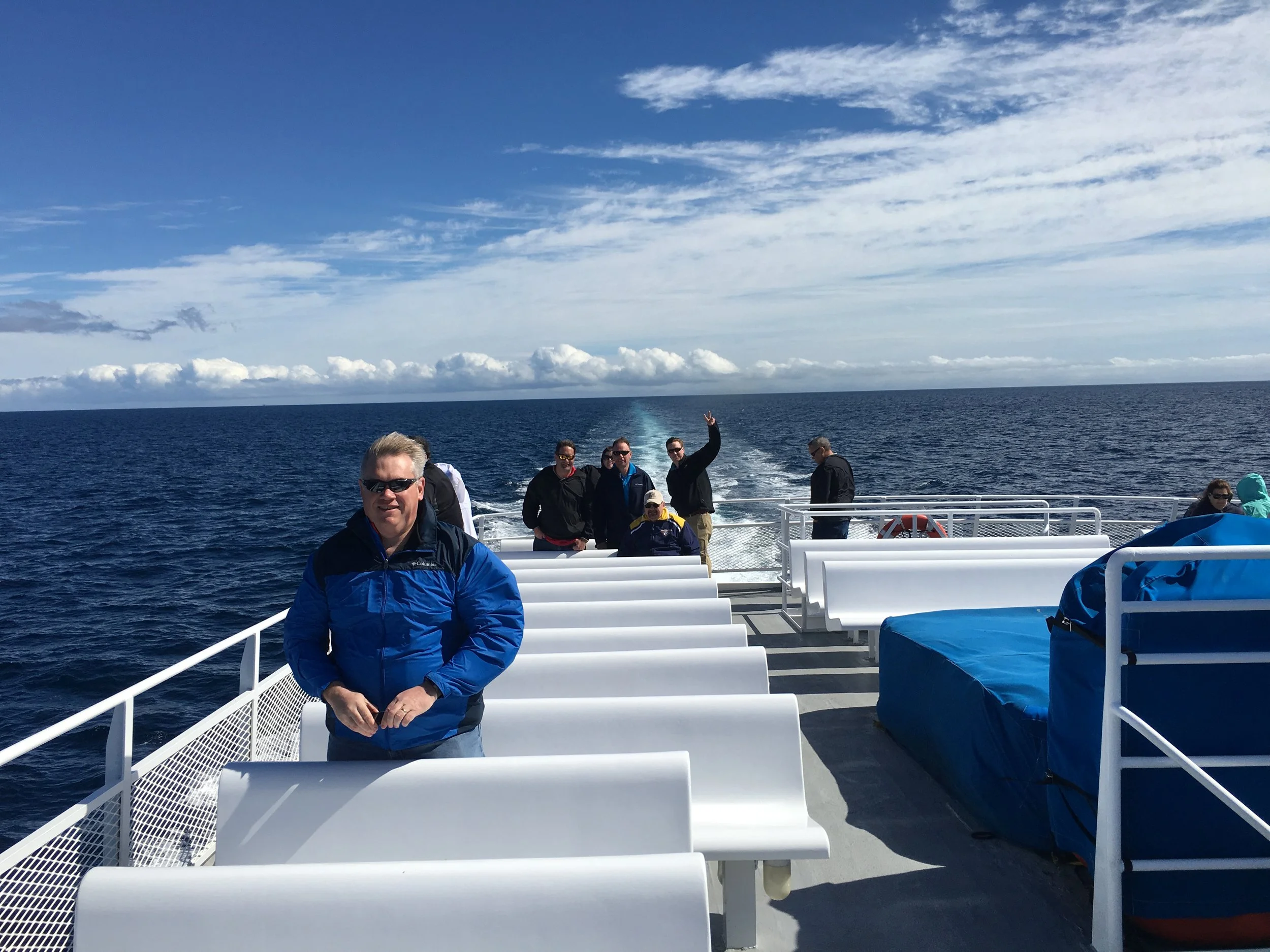
Designing team experiences that build real relationships instead of another forced “team-building activity.”
Or simply helping leaders slow down long enough to ask:
“What is it actually like to work here?”
Sometimes the answer is encouraging.
Sometimes it's uncomfortable.
Both are useful.
Serious Expertise. Unserious Ego.
We take the work seriously.
Ourselves? Not nearly as much.
People learn better when they're engaged. They communicate better when they feel comfortable. They contribute more when they're respected. And they're far more likely to remember an experience when they actually enjoyed being part of it.
That doesn't mean avoiding difficult issues.
Quite the opposite.
It means creating an environment where people can talk honestly about them.
We believe in curiosity over assumptions.
Conversation over corporate jargon.
Practice over PowerPoint.
Questions before answers.
And solutions that work in the real world—not just on a conference room whiteboard.
The Experience Becomes the Culture
Organizations spend enormous amounts of time defining their values and describing the culture they want.
But employees don't experience a mission statement.
They experience people.
They experience their manager.
Their coworkers.
Their meetings.
Their training.
Their workload.
Their first day.
Their worst day.
Their opportunities.
Their conversations.
Those experiences eventually become the stories people tell about your company.
And those stories become your culture.
So perhaps the better question isn't:
“What kind of culture do we want?”
Perhaps it's:
“What kind of experience are we creating?”
Because if we improve the experiences people have at work, we don't just create happier employees.
We create stronger leaders.
Better teams.
Better communication.
Better performance.
And ultimately, better organizations.
That's the McNevin Philosophy.
And that's the kind of work we love doing.